


Chris Andrew
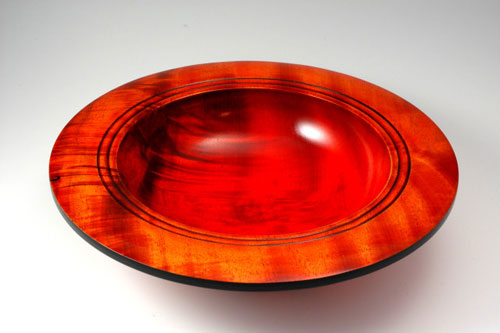
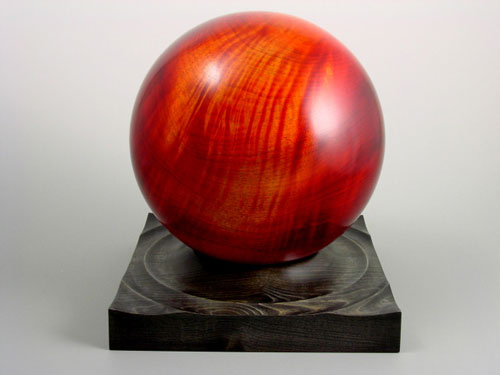
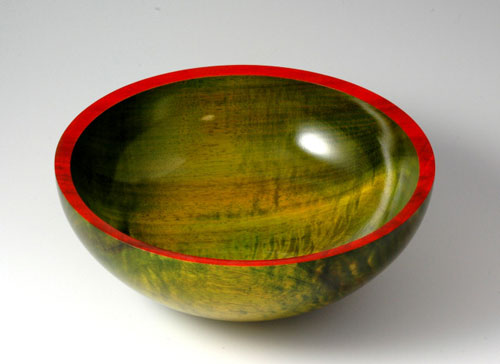
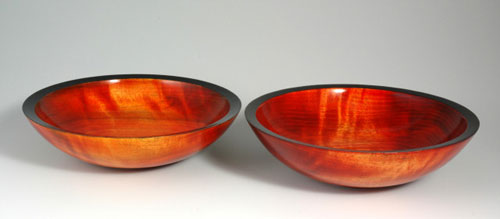
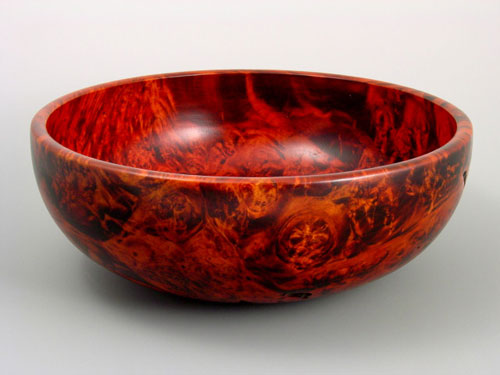
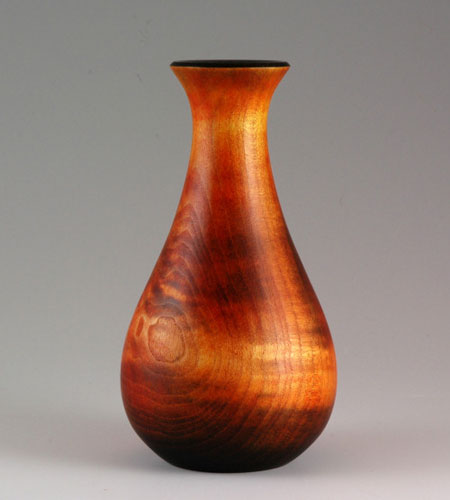
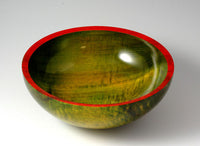
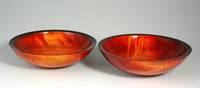
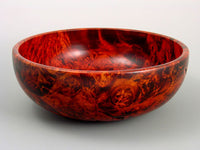
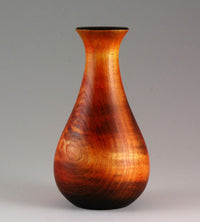
I'm a woodturner. Using wood from trees native to the Pacific Northwest, I produce lathe-turned work and sell it through shops and galleries in Oregon and Washington.
Working with the grain patterns, figure, and color that nature provides gives me great satisfaction. However, I also find that the application of color adds a fascinating new dimension to my work. There are many materials available to color wood, but the extremely fine grain of dye pigments does not mask the wood grain and figure, allowing the natural beauty of the wood to show through. While colored dye can add interest to a plain piece of wood, it can also create stunning effects in highly figured woods.
I've tried many dye products (water and alcohol based), including some made and marketed specifically for woodworking. I prefer the water-based dyes, as they blend nicely and are much more pleasant to work with than the alcohol or oil based products. My product of choice is Dharma's Fiber Reactive Procion Dye. It comes in a vast palette of vibrant colors, is easily mixed with distilled water, and keeps well over time.
Each piece has at least 5 or 6 colors applied, sometimes more. Sanding between color applications partially removes the dye previously applied. This allows me to build and blend colors to take advantage of figure highlights in the wood. I usually start with black, covering the piece completely, allowing it to dry, and then removing most of it in the first sanding. The small amount of black dye left behind adds shadow and depth to the overlying colors. Colors are then built up from darker shades to lighter, again with sanding between applications to selectively remove some of the dye. Lemon yellow is often the last color applied, as this gives a highlight to the more prominent figure patterns in the wood.
Pieces done in red tones are the most popular. I often blend fire red, deep orange, tangerine, coral pink, peach, and lemon yellow to give a "sunset," or flame, effect. I've also had good success with colors based on blue greens, such as Cayman Island green. Emerald green and yellow combinations also work well.

Become a Featured Artist
We thought it would be a neat idea to showcase the work of artists and businesses who are using Dharma products, so we've been asking customers to send in photos and info so we can share it with you. If you use our products and would like to be included.


