


Jenni Bateman
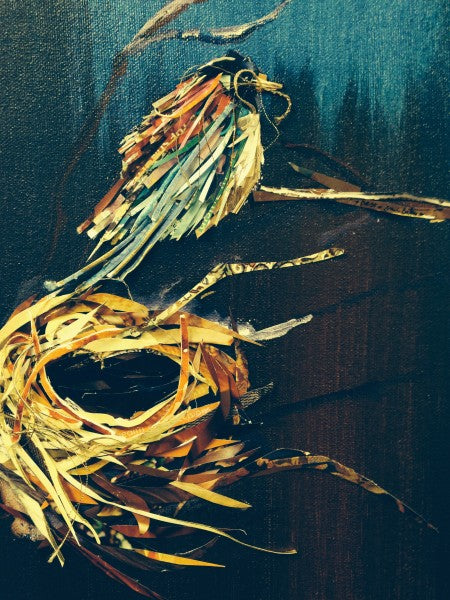
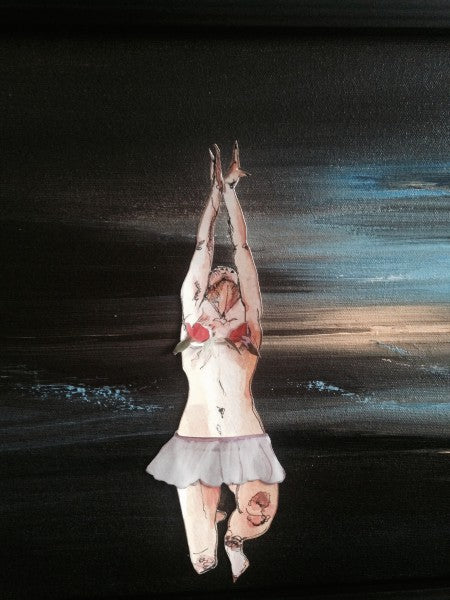
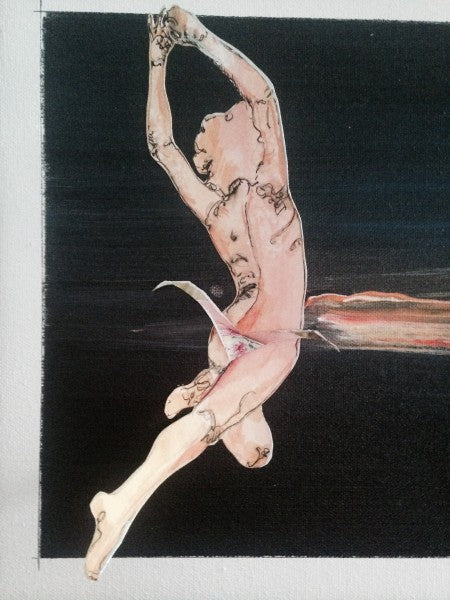
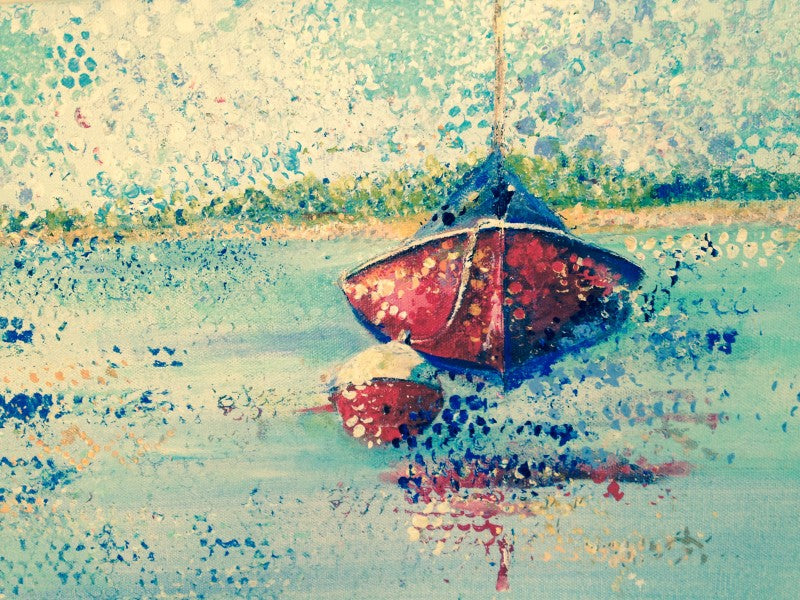
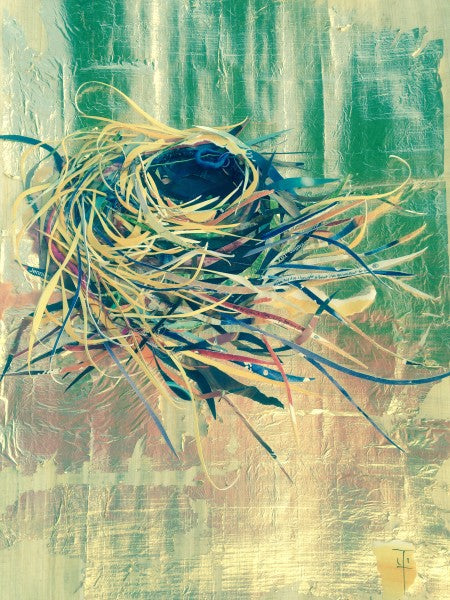
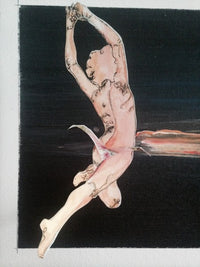
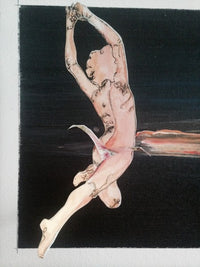

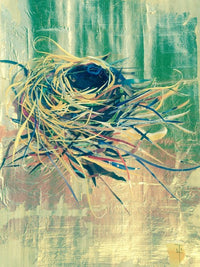
As a young girl with an adventurous art-making spirit, I was exposed to the fine and applied arts as part of an educational program through the University of Illinois, with an intense interest in the study of textile design, resulting in a career-long passion in fiber arts. Of course, this coursework was augmented with 4-H, university coursework, graphic design, and always, always, always documenting my thoughts and observations through journaling and sketching.
Until recently, I've split my career as a consultant in graphic design, marketing, teaching and making fine art. This year marks a change; devoting full-time efforts towards making art (and being able to sail and kayak with family and friends!) Watercolors, silk painting, and dabbling in some 3D experimental work will take center stage, along with a variety of textile arts workshops, residencies, and classes. Creativity sharpens creativity. I love teaching.
To prepare for the next phase of this art journey, I've researched the best materials, and plan to almost exclusively rely on Dharma Trading Company for their expertise, sense of humor, variety of silk fabrics, silk dyes and paints, batik supplies, brushes, guttas, and resists. The customer response team is genuinely interested in the work of artists! I'm especially enamored with the Jacquard Red Label Silk Dyes, and can't get enough of silk charmeuse! Much like the flow of watercolors, silk requires an almost neurotic manipulation of dyes and paints "contained" with gutta and wax resists.
An example of this intriguing textile design is the Japanese Noren panel traditionally hung from an entrance and used to protect a home or business from wind, dust, and rain. When one passes under and through the panel, the lustrous sheen of the painted silk takes on an inner glow of its own while the natural hand of the silk gently flutters in the breeze. working in this textile discipline has aroused a career-long curiosity with lingering questions: "Could this experimental process move from a two-dimensional painting into three-dimensional work"? "What would need to be in place to execute a maquette and finished art"?
After creating countless flags, banners, pennants, and norens, the 2D painting process spawned experimenting with machine and hand embellishments. Now it's time to cultivate and challenge existing skill-sets adding the experimental challenge of working in the 3rd dimension (as follows):
• Work begins with 8 panels of silk Habotai, sheer Chiffon, and Charmeuse, approximately 6' long x 45" wide
• Each section is created as a stand-alone 2D design.
• Once installed and spaced approximately 24" apart (one banner in front of the other), images on the
• individual panels 'merge', revealing a 3D mature tree planted by "Rivers of Flowing Waters".
There's more than just looking at and reacting to the art: as the viewer strolls in-between each panel, the silk flutters gently and creates an interaction between the viewer, the images on individual panels, and the sensual hand of the silk. This three-dimensional process has architectural applications that will serve to highlight this ancient process and bridge the gap between hard surface interiors and the textile arts. This is work that begs to be touched!
I'll continue to create my neurotic snippets in the series of "JUST ANOTHER STUPID....cards, art quilts, woven work, paper dolls, and books. Follow on Facebook, Instagram...and feel free to give me a call. Creativity doesn't have set hours...happy to share your journey or answer questions on the textile arts!


Become a Featured Artist
We thought it would be a neat idea to showcase the work of artists and businesses who are using Dharma products, so we've been asking customers to send in photos and info so we can share it with you. If you use our products and would like to be included.


