




Tie-Dye History

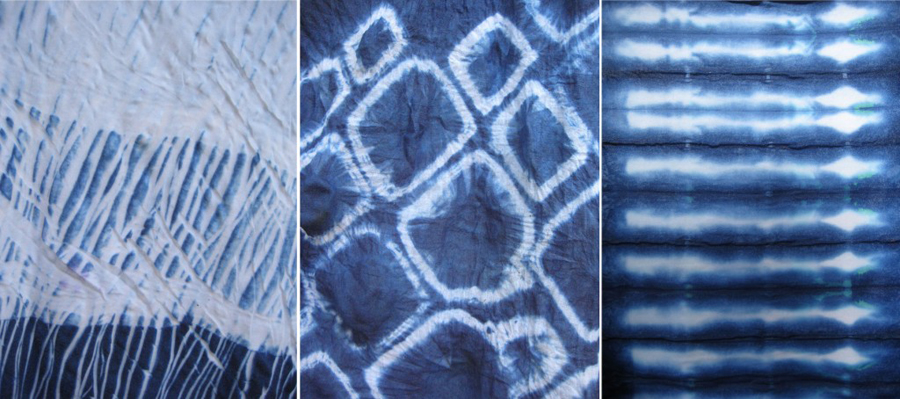
Tie-dye, long before the 70's, was known as Shibori, a Japanese term that encompasses a wide variety of resist-dyeing techniques, which have been utilized by different cultures for over 6000 years. The end results are random patterns that are either geometric or loose and free flowing and/or combinations of everything in between. Many other countries and cultures had other forms of using different objects or strings to "resist" the dye and make patterns as well.
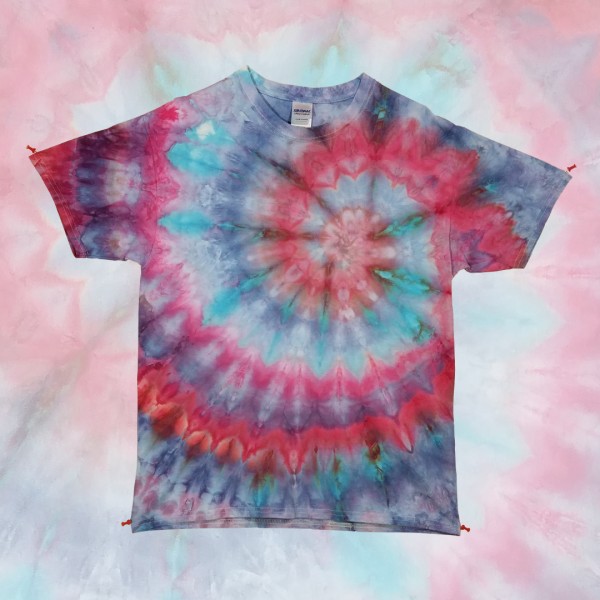
Now a days, tie-dye describes a pattern of color made by preventing the dye from reaching some areas of the fabric while dyeing others. Folding, tyeing, stitching, crumpling or otherwise preparing the fabric inhibits the flow of the dye to some areas. Usually, most folding, scrunching & twisting is done starting with the wet shirt flat on a plastic covered table. The pattern of the folds etc. and where the colors are squirted dictates the resulting design. With experience, the end result can be predicted and controlled to some extent, but surprise is part of what makes tie-dye an exciting and interesting art form - and there will be plenty of surprises. Read more about tie-dye as an American art form here.


 Item Added to Cart
 Item Not Added